Introduction
Wound treatment is a vital aspect of healthcare that plays a crucial role in the recuperation process of clients. Comprehending the intricacies of injury monitoring and the abilities required to provide efficient care can dramatically enhance individual outcomes. This write-up aims to explore the structures of basic wound care training, its relevance for healthcare experts, specifically nurses, and exactly how it integrates right into more comprehensive patient administration strategies.
The emphasis will certainly get on various elements of wound care training, including specialized programs available for registered nurses, advanced training for complicated injuries, chronic injury management strategies, and a lot more. By the end of this extensive overview, readers will gain understandings into efficient wound care methods and the importance of recurring education in this essential field.
Basic Wound Care Training: Foundations for Effective Client Management
Basic wound care training works as the cornerstone for efficient patient management. It encompasses a range of skills and knowledge locations that are crucial for any individual associated with supplying straight care to patients with wounds. This training covers understanding different kinds of injuries-- such as intense, chronic, and complex wounds-- and recognizing how to handle them efficiently.
What Is Wound Care Specialist Training?
Wound care professional training concentrates on preparing medical care specialists with an extensive understanding of numerous injury kinds. This specialized training equips people with sophisticated knowledge about recovery processes, infection control steps, and finest practices for clothing selection.
Key Elements of Wound Care Specialist Training:
Anatomy and Physiology: Understanding skin structure and recovery processes. Types of Wounds: Differentiating in between medical, traumatic, stress abscess, diabetic foot abscess, etc. Assessment Techniques: Knowing how to evaluate wounds properly making use of standard tools. Treatment Modalities: Exploring numerous therapy alternatives such as debridement approaches and advanced dressings.By getting these competencies through wound care specialist training, doctor can substantially enhance their capacity to manage complex cases effectively.
The Value of Wound Care Training for Nurses
Nurses often function as frontline caretakers in injury monitoring settings. Consequently, comprehensive wound care training for nurses is essential to ensure they have the requisite abilities to provide quality client care.
Why Is It Essential?
- Improved Individual Outcomes: Appropriately educated registered nurses can contribute positively to faster recovery rates. Reduced Infection Rates: Knowledge regarding infection control methods reduces the chance of complications. Enhanced Confidence: With sufficient training, nurses really feel encouraged to make informed choices pertaining to individual treatment plans.
Incorporating basic wound care training into nursing curriculum makes sure that future specialists are well-prepared for real-world difficulties they might deal with in their careers.
Exploring Different Wound Care Training Courses
There are countless courses available worldwide focusing on basic wound treatment. These courses accommodate differing degrees of knowledge-- from initial programs meant for beginners to advanced workshops created for seasoned practitioners.
Popular Sorts of Wound Care Training Courses Include:
- Online Accreditation Programs In-Person Workshops Specialized Seminars on Complicated Wound Management NDIS (National Disability Insurance policy Plan) associated training courses concentrating on community-based injury care
Each training course offers distinct benefits customized to different understanding choices and needs.
Understanding Standard Injury Care Protocols
Basic injury care methods set a framework that overviews doctor in taking care of injuries effectively. Sticking to these procedures can dramatically affect person contentment and recuperation times.
Essential Action in Fundamental Wound Care Include:
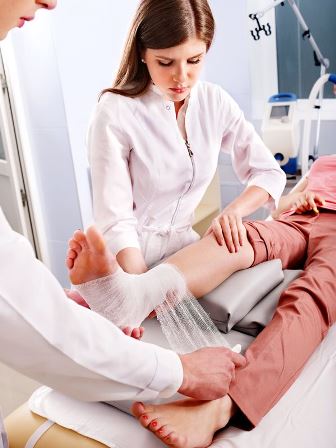
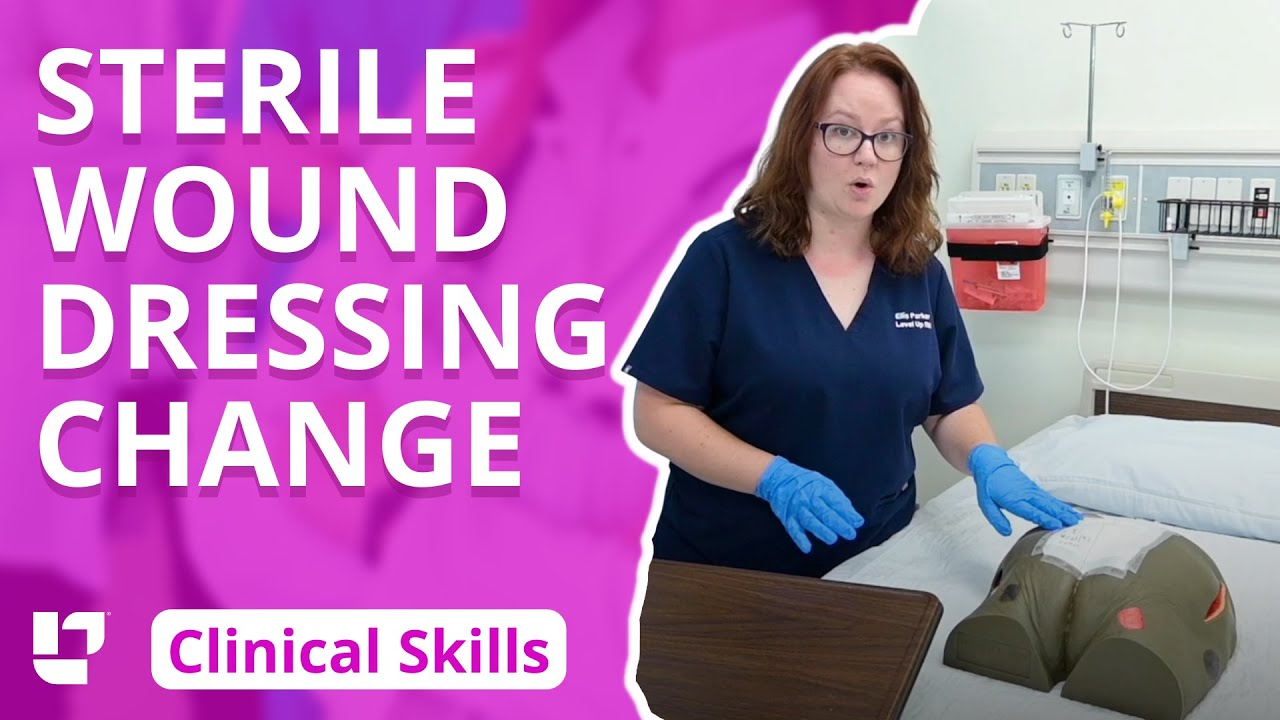
Initial Assessment: Extensive analysis utilizing aesthetic examination methods. Cleaning the Wound: Using sterile techniques while cleaning. Dressing Application: Choosing proper dressings based on specific circumstances. Follow-Up Care: Setting up regular reviews to monitor healing progress.Following these actions guarantees that each person's distinct demands are satisfied while promoting optimal recovery conditions.
The Duty of Nursing Wound Care Training Programs
Nursing wound care training programs play an essential role in gearing up nurses with essential abilities essential for effective client management concerning wounds.
Components Covered in Nursing Wound Care Training Include:
- Comprehensive assessments Treatment planning based on evidence-based practice Patient education and learning pertaining to self-care techniques
Implementing these components assurances that registered nurses can give premium care throughout their individuals' healing journeys.
Complex Wound Care Management Techniques
Managing complicated injuries requires specialized expertise because of the diverse nature of such wounds. Advanced training courses focus on outfitting practitioners with up-to-date strategies appropriate for resolving difficult instances effectively.
Specific Techniques Used in Complex Injury Monitoring May Include:
- Negative Stress Wound Therapy (NPWT) Advanced Dressings (e.g., hydrocolloid or alginate) Biologic Dressings Multidisciplinary Strategy entailing specialists like dietitians or physical therapists
With a complete understanding of these methods via dedicated complex wound care programs, specialists can deal with also one of the most requiring circumstances confidently.
Chronic Wound Care Management Insights
Chronic injuries posture unique difficulties because of their long term healing times often linked with underlying health issues such as diabetes or vascular insufficiencies. Chronic wound care management emphasizes tailored methods focused on attending to both wound care specialist training signs and origin effectively.
Key Concepts in Chronic Wound Monitoring Include:
Accurate Medical diagnosis-- Determining hidden conditions contributing to non-healing. Regular Surveillance-- Tracking development through systematic assessments. Patient-Centered Strategies-- Involving patients actively includes them in their very own healing trip by informing them about self-care practices.Through attentive application of these concepts learned during persistent injury management training sessions, doctor can foster far better long-term outcomes for impacted individuals.
Wound Care Administration Best Practices
Effective wound care management hinges upon executing best methods developed based on present study findings and clinical experiences alike:
1. Evidence-Based Guidelines
Utilizing evidence-based guidelines not only develops reputation but also makes sure all interventions align with acknowledged criteria within the medical area today!

2. Interprofessional Collaboration
Collaboration amongst various specializeds-- including physicians' input together with nursing competence-- boosts all natural strategies toward comprehensive treatment methods!
3. Constant Education
Regular engagement in constant education and learning programs maintains experts upgraded concerning recent improvements within this swiftly evolving field!
FAQs Regarding Standard Injury Treatment Training
1) What is standard wound care?
Basic wound treatment involves examining a client's injury adhered to by cleaning it properly before using appropriate dressings while monitoring recovery progress over time!
2) Who must attend basic injury care training?
Healthcare specialists included straight or indirectly with individuals struggling with any kind(s)of injury would certainly profit greatly from going to appropriate programs focused on sharpening essential skills!
3) What credentials do I require before enrolling?
Typically no particular requirements exist in addition to being involved within healthcare areas; however prior experience dealing entailing direct client call may verify advantageous when browsing program materials!
4) How usually ought to I upgrade my skills associated with this area?
It's suggested participants revitalize their knowledge every couple of years given that brand-new methods/techniques arise continuously transforming existing techniques seeing to it all personnel continue to be experienced concerning advancements offered throughout sector advancements!
5) Are online alternatives available?
Yes! Numerous trustworthy organizations supply on-line accreditation alternatives catering specifically in the direction of busy professionals looking for adaptability without jeopardizing educational top quality delivered comfortably using digital formats!
6) Can I specialize after completing preliminary course material?
Absolutely! Following conclusion individuals may pursue specialized tracks focusing either completely in the direction of complex/chronic scenarios allowing them check out much deeper complexities bordering particular areas interests boosting know-how supplied across broader range clients served daily!
Conclusion
In verdict, basic wound care training creates a vital structure upon which effective person management relaxes within modern medical care contexts dealing primarily around injuries sustained by people coming across any number diverse obstacles dealt with daily! Through constant education initiatives emphasizing collaboration among multidisciplinary teams along with execution developed ideal techniques eventually leads improved overall results benefiting everybody entailed throughout procedure guaranteeing safety/quality provided regularly moving forward together!
Investing time right into going after pertinent coursework not only improves individual capabilities but also promotes enhanced engagement in between carriers & & individuals helping cultivate settings ripe fostering count on & & collaboration required maximize success attained jointly when aiming towards shared goals ahead!